Spring and early summer readiness across Maryland
Spring rain storms can push moisture into vulnerable areas. Our restoration specialists recommend inspecting the roofline, gutters, and window seals as the season starts. Clear debris from gutters so water runs away from the foundation, and check exterior caulking around doors and windows. Small fixes now prevent larger issues later in Maryland's mixed climate.
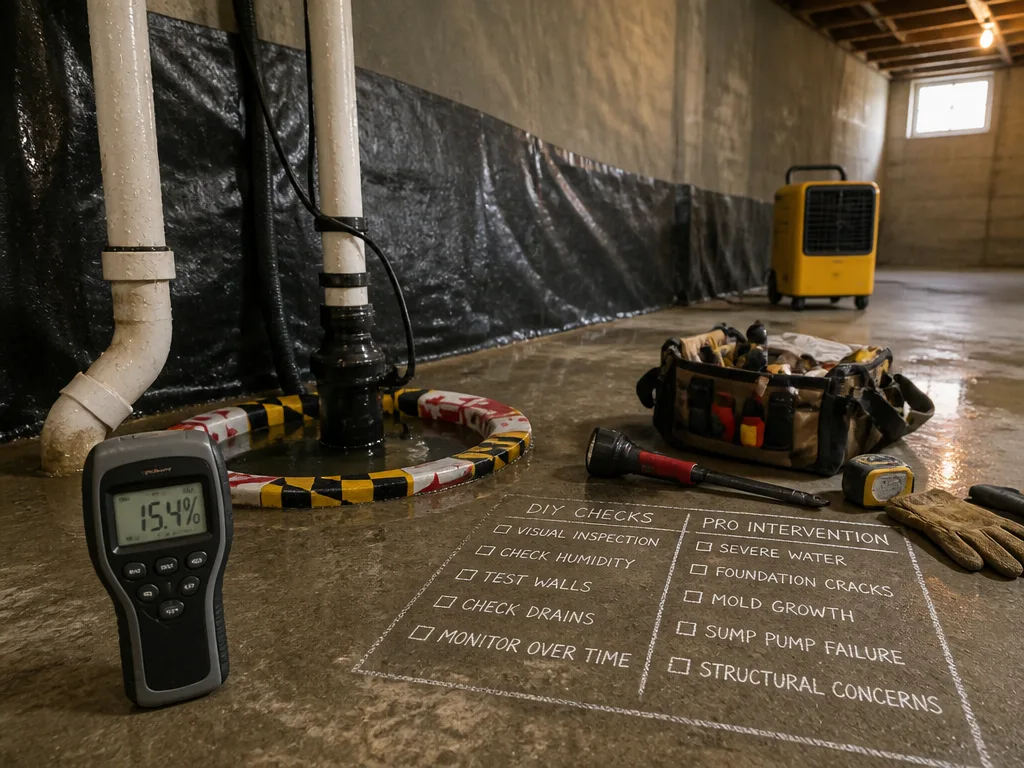
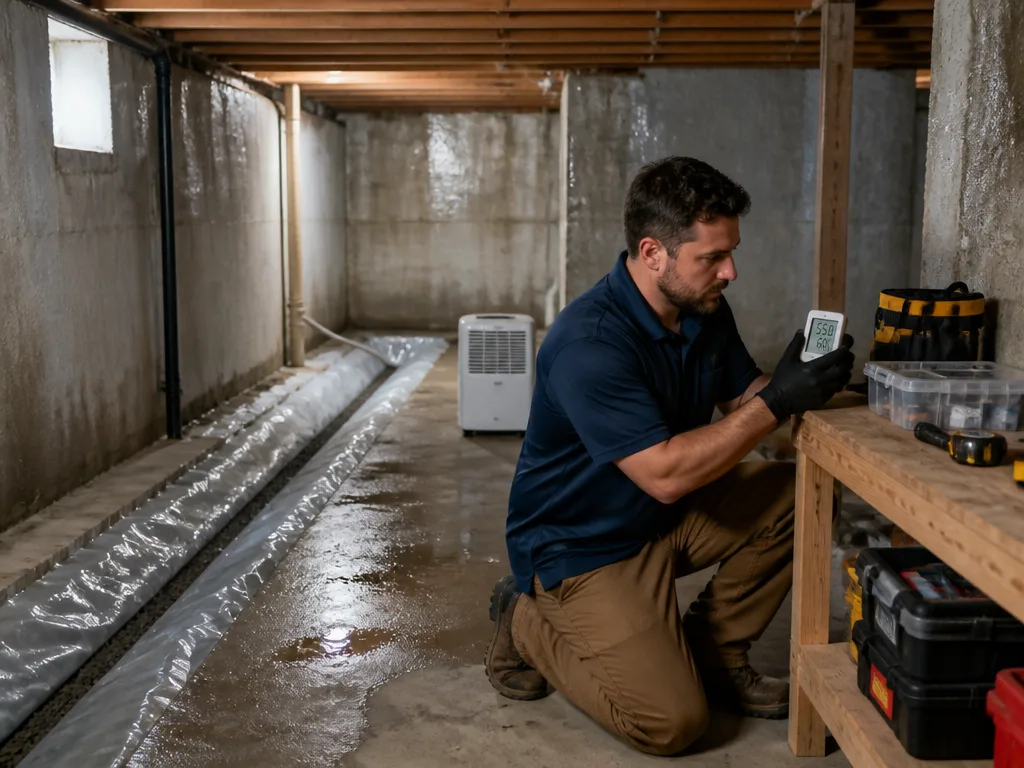
Inside, run a humidity check in basements and crawl spaces. A stable humidity level helps prevent mold growth and keeps air quality steady for your family. If you notice any dampness after heavy rains, call a restoration specialist for a state-wide assessment that accounts for our climate across Maryland.
Summer guidance for humidity and heat
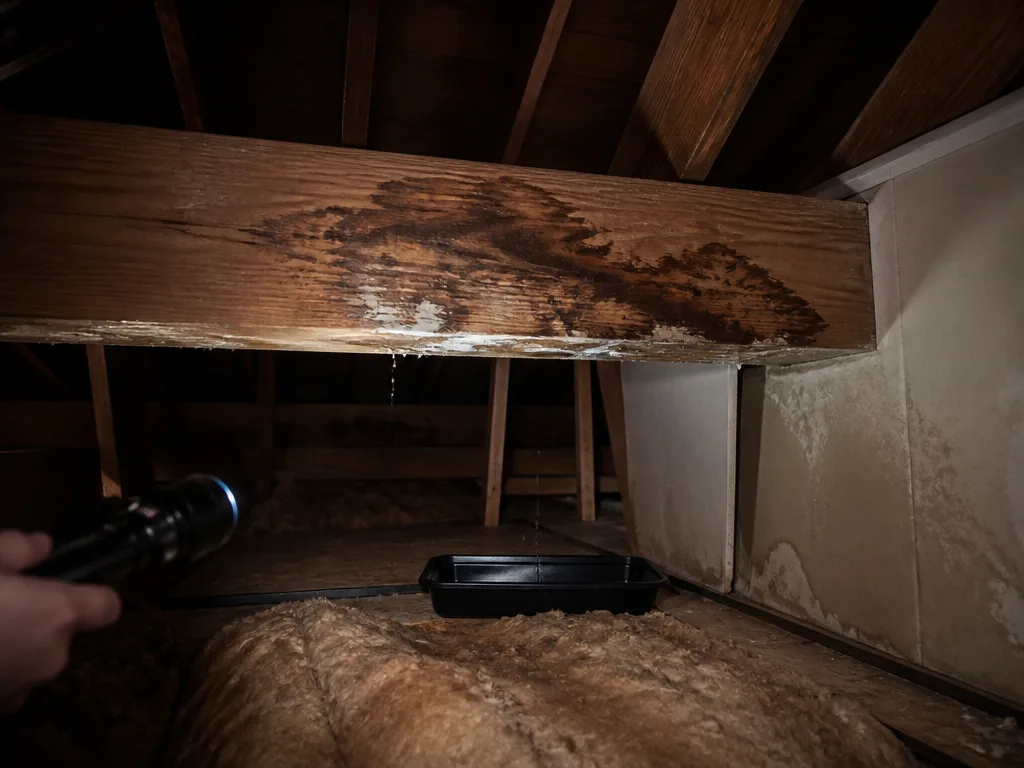
Humid Maryland summers push moisture into walls and attics. Use exhaust fans in bathrooms and kitchens, and consider a dehumidifier in damp rooms. Our crews in every Maryland metro suggest keeping indoor humidity between 30 and 50 percent when possible. If you see condensation on walls or windows, that can be a sign of excess moisture behind the surface and a call to a restoration specialist is warranted.
During peak heat, inspect attic insulation and any vents. In Maryland, good ventilation and a solid barrier between living spaces and attic can prevent moisture from migrating into living areas. A restoration specialist can verify insulation performance and identify any gaps that need sealing across the state.
Fall and winter prep for moisture control
As temperatures drop, frozen pipes or slow leaks can lead to costly damage. Inspect pipes along exterior walls and keep cabinet doors open to allow warm air to reach plumbing. If you notice a sudden spike in humidity when the weather turns cold, reach out to a restoration specialist for a statewide evaluation. We’ll help pinpoint whether the issue is from leaks, condensation, or drainage problems that need attention before Maryland’s winter sets in.
Seasonal planning also means testing for basement moisture. Even small consistent dampness can lead to larger challenges once the heating season begins. Across Maryland, a proactive approach means fewer surprises and a steadier restoration plan when you need it.